- Deepfakecontent online is becoming harder to detect.
- Sumsub’s For Fake’s Sake provides tools for deepfake and synthetic fraud detection.
- Sumsub is working with the AI community to improve the service.
Deepfake online content and synthetic fraud continue to be big problems not just for individuals but for businesses as well. While generative AI has seen a boom in adoption among organizations, many actors are also using the tools for the wrong reasons. In the past, creating deepfake content would require sophisticated editing skills. Today, deepfake online content can be created in seconds thanks to AI image generators. In the past few months alone, deepfake content has seen businesses, celebrities and politicians become victims.
For synthetic fraud, scammers and cybercriminals use a real person’s credentials to create a new identity. A form of identity theft, generative AI tools today have made synthetic fraud much harder to detect and have also seen an increase in such cases. Most common in the banking industry, reports show that nearly half of organizations globally (46%) experienced synthetic fraud in 2022.
According to Sumsub, a full cycle verification platform, the first half of 2023 saw a huge rise in deepfake cases worldwide, as compared to the second half of 2022. The most striking surge in the number of AI-generated identity fraud cases was noticed in Asia-Pacific (APAC) countries such as Australia (1300%), Vietnam (1400%), and Japan (2300%). Similarly, the number of deepfakes increased by 84% in Great Britain, by 250% in the U.S., by more than 300% in Germany and Italy, and 500% in France.
What makes deepfake and synthetic fraud even more concerning is that they’re becoming harder to detect. Deepfakes created online look almost as good as a real person as they can mimic not just the image but a person’s voice as well. A recent case involved actor Tom Hanks, who called out a company for using his AI likeness to promote a dental plan without his permission.

Detecting deepfake online content and synthetic fraud
While it is getting harder to detect deepfake and synthetic fraud online, Sumsub has released a set of models it believes can enable better detection. For Fake’s Sake is a set of models that can help in the detection of visual assets. A first-of-its-kind solution developed by a verification provider, For Fake’s Sake will be publicly available for download and usage.
Sumsub is hoping to provide the AI community, especially developers, AI researchers and scientists, with a platform that they can test, experiment as well as explore innovative ways to tackle the escalating threat of deepfakes.
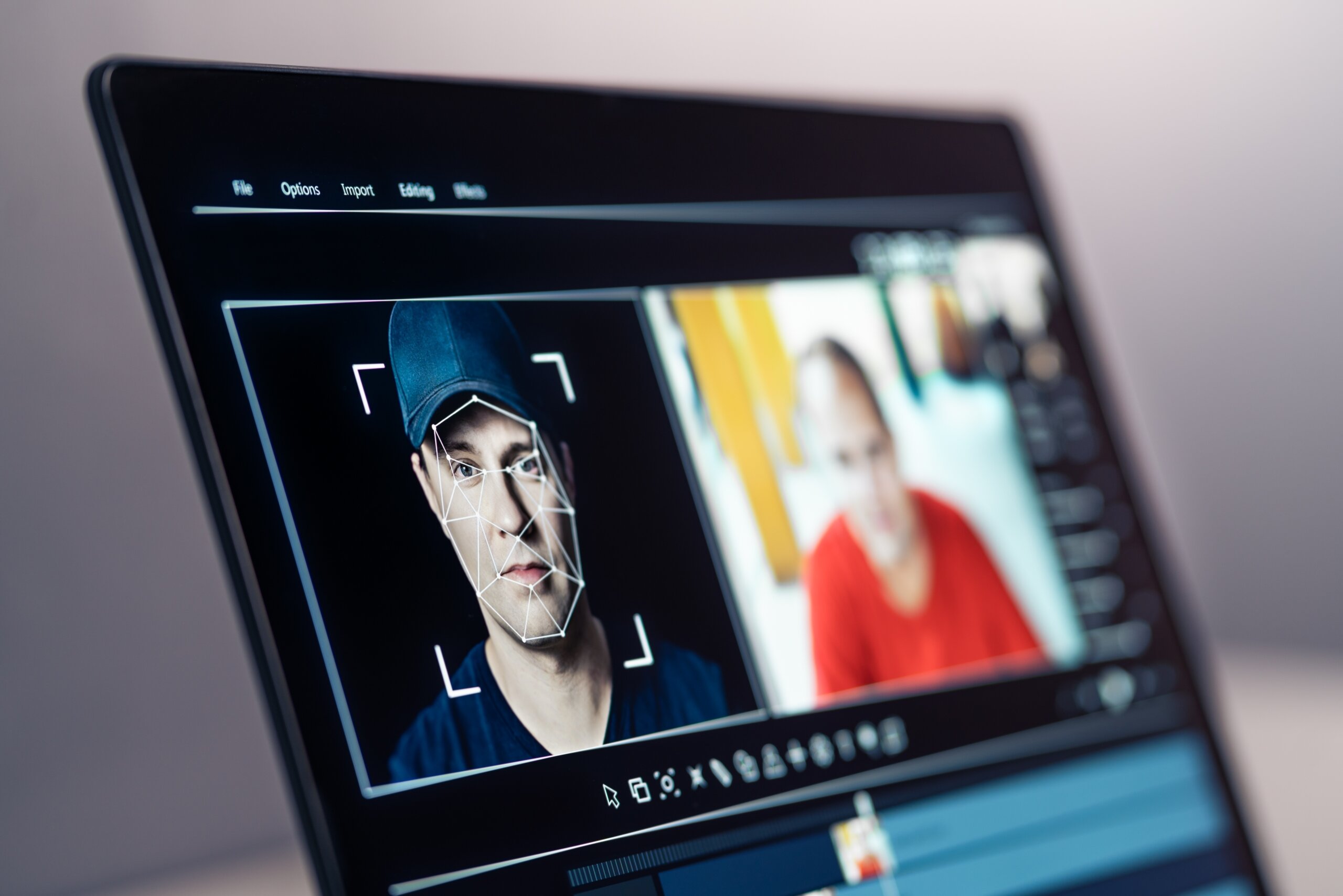
Developed by Sumsub’s in-house AI and ML Research Lab, For Fake’s Sake is a set of four distinct machine learning-driven models for deepfake and synthetic fraud detection. Through For Fake’s Sake, users will be able to estimate how likely an uploaded image was created artificially.
To ensure there are no regulatory concerns, Sumsub provides detailed cards which include comprehensive documentation that describes the datasets and performance metrics of their AI models. Sumsub’s internal testing indicates that its AI models are effective in accurately detecting typical image alterations. Moreover, when these models are used alongside alternative methods of content analysis, AI-generated images can be more confidently recognized.
According to Vyacheslav Zholudev, co-founder and CTO of Sumsub, the company has dedicated substantial effort to combating the menace of deepfakes and the adverse impacts of synthetic fraud by constantly upgrading its existing solutions and developing new features, including the newly enhanced deepfake detector of their liveness tool.
“Offering top-quality products to customers is one thing. But it is equally vital we commit to maintaining a transparent public discourse on the multifaceted threats posed by deepfakes, from impersonation of real individuals online, theft of personal data, the dissemination of misinformation, social engineering, and more. Our open source tool represents just one of the many strides Sumsub is taking, apart from product development, towards fulfilling our mission of empowering a safe and inclusive digital future – for companies and the wider public’s free use alike,” said Zholudev.

Creating a safer environment
Sumsub will also be leveraging feedback from the AI research community to further improve the model’s capabilities. This will allow the platform to adapt and grow in tandem with other AI-driven tools.
“As AI technologies advance, we foresee a tightening of regulations governing their use. For example, it may soon become mandatory to apply watermarks to all synthetic images. However, fraudsters will continually seek ways to overcome regulations, especially leading up to the 2024 US presidential elections,” explained Pavel Goldman-Kalaydin, Head of AI/ML at Sumsub.
Kalaydin also pointed out that Sumsub will share its experimental synthetic image detection models as a benchmark for further development in the battle against AI-generated fraud.
“We must remain vigilant and unite our efforts as an industry, and our team is committed to continued development based on the latest trends, user feedback, and community insights,” he concluded.
The For Fake’s Sake demo is accessible to the public via the following link: https://huggingface.co/spaces/Sumsub/Sumsub-ffs-demo.